

The team at Goodison Dental are passionate about providing the highest standard of professional dental care to all patients.
We welcome the Child Dental Benefit Schedule (CDBS) initiative as a wonderful opportunity to educate younger members of our community about the importance of maintaining good oral health habits for long-term dental health.
First introduced in January 2014, the Child Dental Benefit Schedule (CDBS) has been a highly beneficial and a much needed dental benefits program provided by Medicare, for eligible families with children aged 2 to 17 years. For eligibility, families must receive Family Tax Benefit A to gain access to the dental benefits of up to $1158 per eligible patient over two consecutive calendar years.
Medicare Australia do send letters to most eligible families with further information about the scheme and its benefits. However, if you are unsure about your family’s eligibility, please contact our practice with your Medicare card details, or call Centrelink directly for assistance.
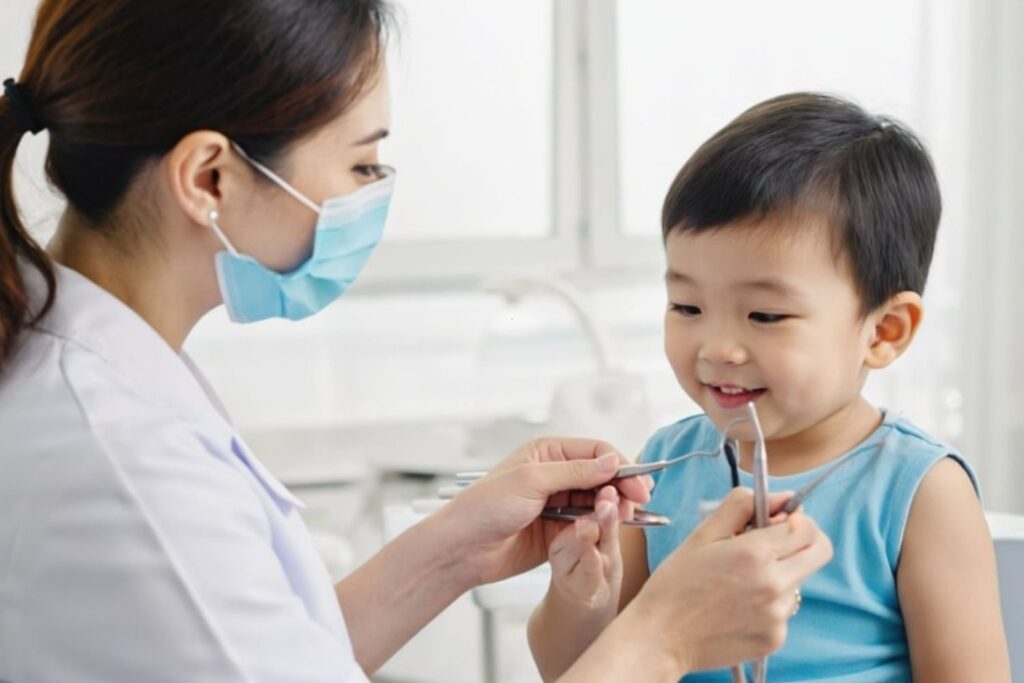
Once a child has been assessed as eligible, they are eligible for that entire calendar year – even if they don’t turn 2 until later in the year, turn 18 that year, or stop receiving the relevant government payment.
While most families are notified of their child’s eligibility at the beginning of each year, routine checks will be performed throughout the year to determine newly eligible children.
Subject to the conditions of the scheme, Goodison Dental are pleased to offer services under the CDBS such as:
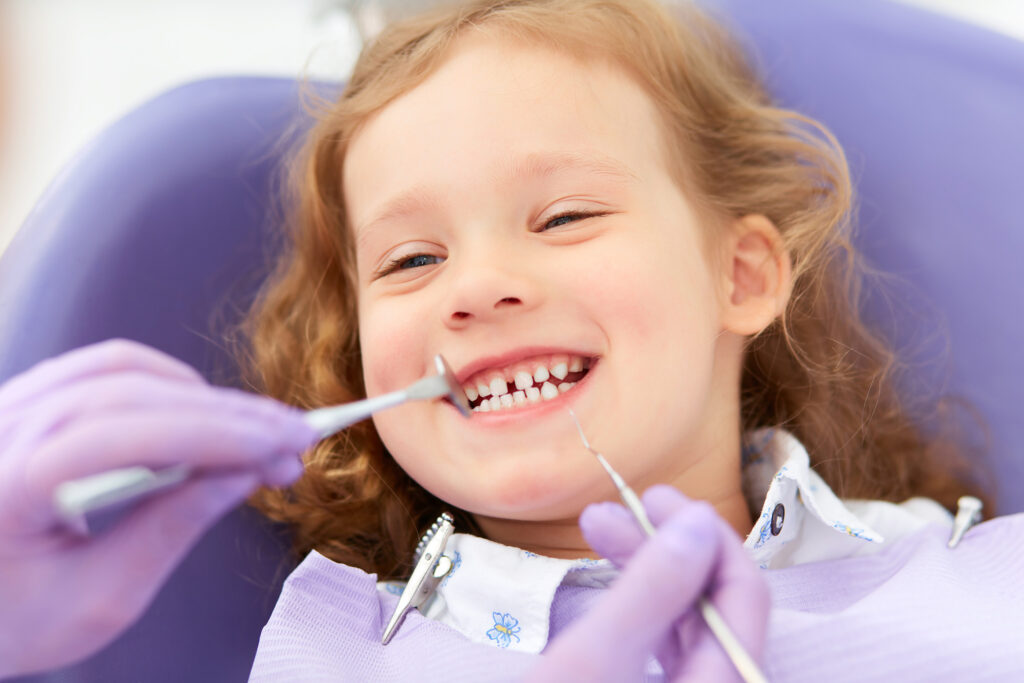
We help parents raise cavity free children. With improved technology it may be possible to eliminate tooth decay in children. In other words, the unpleasant dental experiences of your youth do not have to be repeated on your children. We do everything in our power to make sure you are aware of the specific ways to prevent tooth decay for your child. What that means is you save money and your child remains healthy!
A child’s first dental visit should be scheduled when their first tooth erupts. The most important part of the visit is getting to know and becoming comfortable with our Dental Therapist and her staff. A pleasant, comfortable first visit builds trust and helps put the child at ease during future dental visits. If possible, allow the child to sit in a parent’s lap in the exam room. Children should be encouraged to discuss any fears or anxiety they feel.
The first dental visit should be by one-year of age. A formal visit with a cleaning and fluoride treatment as well as possible X-rays may begin around the age of 2 1/2 to 3 years.
Most one-year olds have eight to ten teeth. However, some children experience delayed tooth eruption. You should not be concerned about this.
If the permanent tooth is nearly erupted and the baby tooth is not loose, make an appointment to be seen. If the baby tooth is fairly loose, give it a week or two to come out on its own. If the tooth still does not come out or if your child has pain and difficultly eating, make an appointment to be seen. Do not be concerned about the placement of the permanent tooth, as with time the tongue will push the permanent tooth up into position.
Thumb or finger sucking can cause an open bite, crossbite or backward positioning of the lower front teeth. The severity of these conditions depends on the frequency, intensity and length of time your child continues the habit. Generally, children stop sucking their thumb or finger by the age of four of five, when they become socially conscious. If your child continues this habit beyond the age of five to six years of age, when the first permanent tooth develops, an exam is necessary to help them stop. If the habit is corrected before the permanent teeth erupt, it is likely that the openbite will correct itself. Once the permanent teeth have erupted, orthodontics is often necessary to correct the crossbite.
When your child can hold a cup, they should be taken off the bottle. This generally happens around the first birthday. If a child is placed to sleep with a bottle, decay may occur. Even children who suck on the sippy cup all day at will, run the risk of decay. Juices and milk have sugar in them that cause this decay. It is not so much what your child drinks, but the amount and the way that it is consumed. Constant bathing of the teeth in these drinks is what causes the decay. If you put your child to sleep with a bottle, the best way to stop this habit is by diluting the milk or juice with water over a period of two to three weeks until the bottle is mostly water. The cold turkey method is also an option, although this may cost the parents a few nights of sleep, but it works.
Signs of teething include restlessness, irritability, and loss of appetite. They may include a low-grade fever due to the irritability or slight bouts of diarrhea due to the increased saliva. The best solutions to soothe teething is to have the child chew on a frozen rubber teething ring or on a popsicle. Eruption of the first permanent molars (around the age of six) can often cause ear pain as well. However, always be sure to check with your pediatrician/GP to rule out an ear infection.
Primary (baby) teeth are significant for aesthetic (self-image) purposes, and for eating as well as proper speaking. Not only do baby teeth help mould the jaws as they develop, they also act as placeholders; reserving the space for permanent teeth eruption, so a malocclusion or bad bite does not develop. The last baby tooth falls out around the age of 12. If not treated, a decayed baby tooth can affect the health of the permanent tooth, and most importantly, extensive decay can cause life-threatening infections.
Young children are not capable of properly brushing their teeth. They lack the manual dexterity. That’s why we recommend that parents brush their children’s teeth for the first 8 years of their life. Toothpaste should be treated as a medication, and a pea-sized drop should be administered by the parent for the young child. Flossing should be performed prior to brushing and waxed, or non-waxed floss may be used. Most children need supervision when brushing until the age of ten.
A sealant is a pink hybrid plastic-like coating that is placed on the chewing surface of the molars to protect them from decay.
The permanent tooth has a larger blood supply which is closer to the surface of the tooth. This makes it appear darker. As the permanent tooth matures, the tooth shade will tend to lighten.
Many children will grind their teeth. You may hear them while they are sleeping. It is common for children to grind while either primary or permanent teeth are erupting. Grinding does not become a concern unless there is “wear” on the teeth. If the tooth is sensitive and is worn down close to or exposing the nerve, then treatment may be necessary.